
 tel:+86-18825224069
 email:
 address:201, Factory 6, Longhui Industrial Park, Fuqiao 3rd District, Xinhe Community, Fuhai Street, Baoan District, Shenzhen china
How to Choose a Reliable PCB Assembly Partner in China
Release date:2026-11-23 09:00:00 Number of views:0
Quick answer: The right PCB assembly partner in China is chosen on five hard criteria — certifications (ISO 9001 and, for regulated products, ISO 13485/IATF 16949), verifiable in-house capabilities (SMT lines, AOI/X-ray, testing), engineering responsiveness (DFM feedback within 24 hours), transparent line-item quoting, and communication that works in your timezone. Price matters, but the cheapest quote that skips incoming inspection or uses unapproved component substitutes ends up the most expensive. Start with a detailed online quote request and judge how a factory handles that first interaction — it predicts everything that follows.

China manufactures the majority of the world's electronics, and its PCBA industry spans everything from three-person rework shops to vertically integrated factories serving automotive OEMs. This guide gives you a concrete evaluation framework — what to verify, what to ask, and the red flags that separate a real factory from a trading company posing as one.
Why Source PCB Assembly from China in 2026
- Complete supply chain density: passive components, bare boards, enclosures, and connectors are all within a day's logistics of Shenzhen and the Pearl River Delta. Turnkey quotes are faster and cheaper than anywhere else on earth.
- Engineering depth at low cost: experienced DFM engineers, free on most quotes, catch design errors Western assemblers bill $200/hour to review.
- Scalability: the same factory that builds your 50-board prototype runs your 50,000-board production with identical processes.
The trade-offs are real, though: distance complicates quality disputes, timezones stretch communication loops, and IP protection requires deliberate contractual steps. A good partner neutralizes all three.
The 5-Point Evaluation Framework
1. Certifications and Compliance
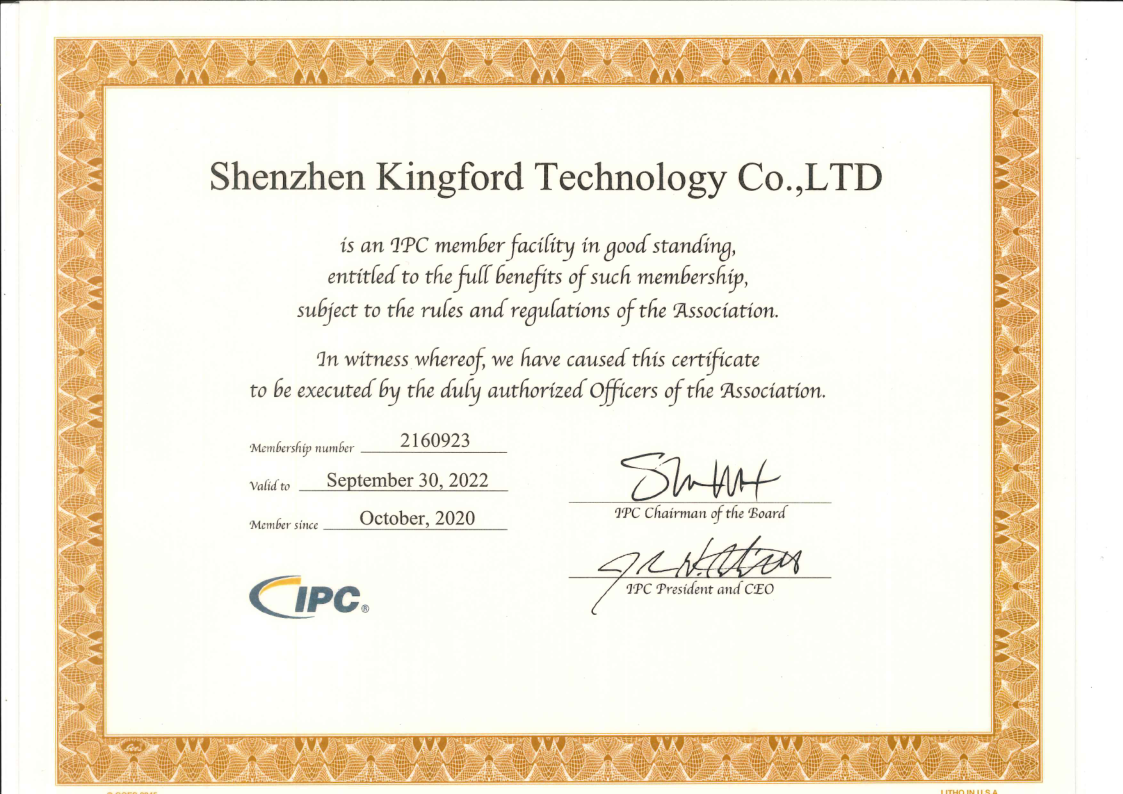
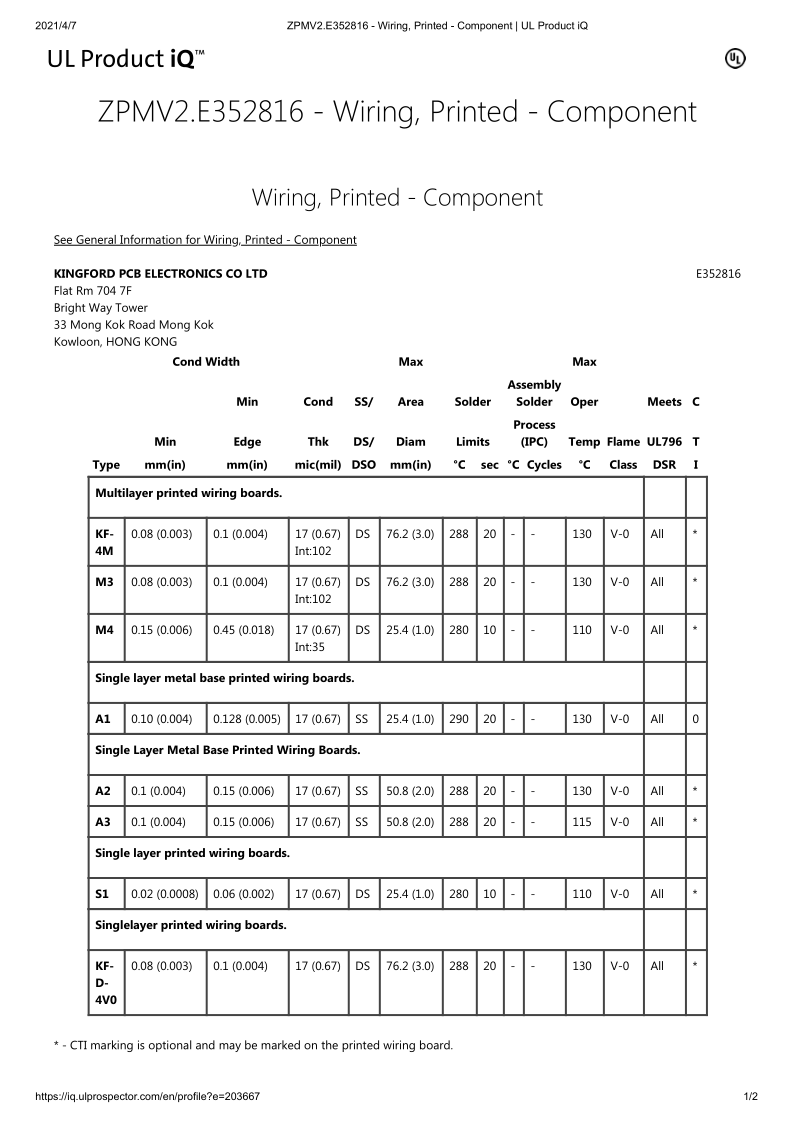
Ask for the certificate numbers and verify them with the issuing body — fake ISO certificates are common. ISO 9001 is the baseline for any credible factory. Medical devices require ISO 13485; automotive requires IATF 16949; UL-listed products need a factory with UL file access. If a supplier "has ISO through their group company," that is not the same thing.
2. Verifiable Capabilities
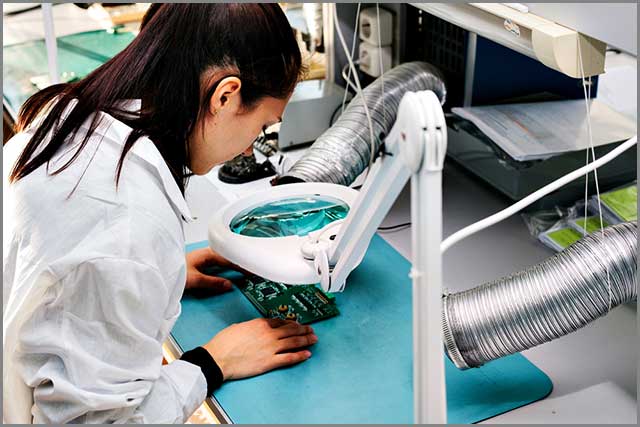
A real factory will show you, without hesitation: the SMT lines (brand and vintage of pick-and-place machines), AOI and X-ray equipment, the incoming inspection (IQC) station, and the test lab. Ask for a factory audit — live video walkthrough is standard post-2020 — and confirm the equipment serial numbers match what you were quoted. Trading companies rent a factory floor for the day; real factories cannot fake a year of maintenance logs.
3. Engineering Responsiveness
Send your Gerbers with one deliberate, minor design flaw — an impossible stack-up, a drill smaller than their advertised minimum — and time their response. A factory with real engineers flags it within a day with a written explanation. A broker forwards your files and sends a price. The quality of the first DFM conversation predicts the quality of the whole relationship.
4. Transparent Quoting
Demand a line-item quote: components at named prices (with manufacturer part numbers), PCB fabrication, assembly labor, stencils and NRE, testing, and shipping terms (EXW/FOB/DDP). Quotes that lump everything into "assembly service fee" hide substitutions and markups. Also compare not just totals but component pricing — a factory buying passives at 10–30% below retail is a factory, not a middleman.
5. Communication and Timezone Fit
Same-day email response in your working hours, a named project engineer (not a rotating sales rep), and fluent technical English in writing. Note whether their replies come from a corporate domain or a free email account — small signal, but it correlates with organizational depth.
Factory vs Trading Company: How to Tell Them Apart
| Signal | Real factory | Trading company |
|---|---|---|
| Quote turnaround on complex BOM | 2–5 days (real engineering review) | Same day (forwarded) |
| DFM feedback | Written, specific, references your design files | Generic checklist or none |
| Component pricing | Line items with MPNs | Lump sums |
| Audit request | Scheduled within days | Deflected or delayed |
| Machinery questions | Specific models, maintenance answers | Vague or inconsistent |
| Factory address | Industrial zone, registered manufacturer | Office building, "business" registration |
The Red Flags Checklist
- Refuses component lot traceability or certificates of conformance.
- Quotes 30–50% below every other supplier without an explained reason (usually unapproved alternates or recycled parts).
- No incoming inspection — counterfeit and date-code-sensitive components enter here.
- Cannot name the test equipment brands in their own lab.
- Payment terms demand 100% upfront on first orders (standard is 30–50% deposit).
- Changes requirements mid-quote without telling you.
Protecting Your IP
Signed NDAs are standard and enforceable in China when drafted bilingual. For sensitive designs: split the BOM (hold back firmware and the one irreplaceable component, consign it yourself), use PCBA houses with clean-room program-and-test procedures for firmware, and register your trademark in China before your product succeeds there — trademark squatting remains a real industrial tactic. Design patents in China are also cheap and effective enforcement tools for product enclosures and layouts.
Factory Audit: The 10-Point Walkthrough Checklist
Whether you audit on site or by live video, walk the floor in process order and check these ten points — each one maps directly to failure modes you would otherwise pay for:
- 1. Receiving dock: Are incoming components inspected (IQC) with lot records, or do reels go straight to the warehouse? Counterfeit screening starts here.
- 2. Moisture-sensitive device storage: MSD-rated parts in dry cabinets with humidity logs — uncontrolled MSD handling is a leading cause of hidden popcorning.
- 3. Paste room: Refrigerated paste with expiry tracking, and stencil cleaning records at the printer.
- 4. Line utilization: Busy lines are maintained lines; silent lines mean the "factory" may be a showroom.
- 5. SPI/AOI in-line: Confirm the inspection machines are connected to the line and actually running — not showroom props.
- 6. X-ray capability: An X-ray machine for BGA inspection, and an operator who uses it.
- 7. Test lab: ICT/flying probe/fixture-based functional test equipment matching what was quoted.
- 8. ESD controls: Wrist straps, grounded mats, smocks, humidity control — cheap to fake for an hour, hard to fake everywhere.
- 9. Traceability system: Ask them to pull a past lot's component records; real factories retrieve this in minutes.
- 10. Shipping/QC area: Vacuum-sealed boards with desiccant and date-code labels — the last 5 meters of the factory tell you as much as the first.
Building the Relationship: From First Order to Production
Start with a prototype order sized to evaluate, not to save money: 10–50 boards with AOI and full test, shipped DDP so you see the total landed cost. Judge the whole experience — quote quality, DFM feedback, packaging, documentation, delivery against promise. The second order doubles volume; by the third, you should have a named engineer, agreed test coverage, and a pricing schedule. Our turnkey assembly service is built around exactly this progression, from first article to scheduled production releases.
Incoterms and Logistics: Getting Boards from Shenzhen to Your Door
The quote's Incoterm decides who owns risk, cost, and paperwork at each stage:
- EXW (ex works): you arrange everything from the factory dock. Cheapest quote, maximum work — only sensible if you have a freight forwarder in China.
- FOB (free on board): the factory delivers to the port and loads the vessel; you own ocean freight, insurance, and import. The standard choice for volume orders with an existing import setup.
- DDP (delivered duty paid): one price to your door, duties included. Typically adds 5–12% over FOB but eliminates customs paperwork — the right default for prototypes and small companies without import departments.
For air shipments of prototypes, express couriers (DHL/FedEx/UPS) under DDP terms deliver in 3–7 days worldwide. For volume, sea freight LCL (less than container load) cuts freight cost 70–90% versus air at the price of 3–5 weeks transit. Battery-containing assemblies add UN38.3 documentation and often must travel by sea — declare them accurately; misdeclared batteries are the fastest way to get a shipment seized.
FAQ
How do I verify a Chinese PCBA factory is real?
Three ways, in order of effort: request a live video audit of the floor (hours of effort, high signal), verify their business license and ISO certificates against issuing bodies, and place a small trial order with full test coverage to measure actual capability.
What is a fair MOQ from a Chinese assembly house?
Prototype quantities of 5–50 boards are standard and should carry no MOQ surcharge beyond setup costs. Factories that demand 500+ piece MOQs for prototypes are signaling they do not want small-customer business.
How do I handle quality disputes from overseas?
Before the first order, agree in writing on acceptance criteria (IPC-A-610 class), test coverage, and a remediation process (rework, replacement, credit). Photograph unopened receiving boxes; quality claims need chain-of-custody evidence. Factories with real IQC records can trace a failure to a lot in hours.
Is shipping duty going to erase the savings?
For boards and assembled electronics, typically no: air freight of small lots and DDP sea freight for volume usually keep total landed cost 20–40% below equivalent Western assembly, even after duties. The quote should state Incoterms explicitly — DDP means duties are handled, FOB means you own that complexity.
Comment on this article here
-
No comment

Ripple
Hi everyone, I'm Ripple, Sales Director of KFPCBA Tech Ltd. If you are looking for a one-stop PCB and PCB assembly manufacturer in China, KFPCBA is your best choice! Please feel free to contact our team! Thanks!
Contact me now
Relevant content you may be interested in
Related articles